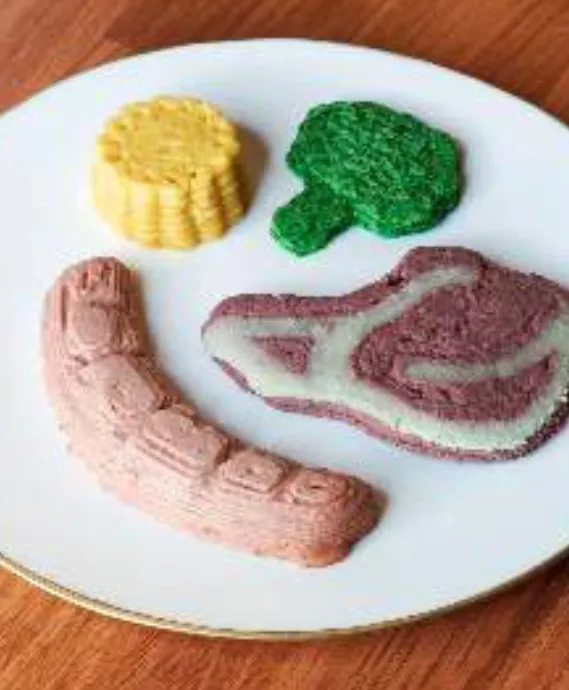
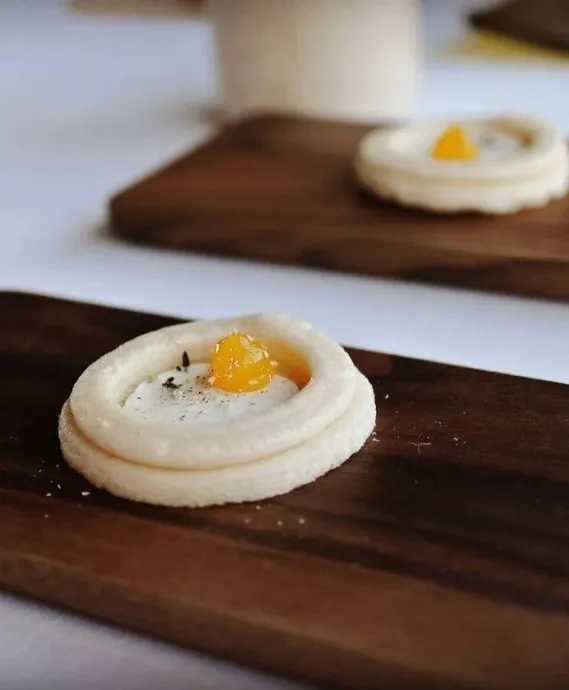
● Semi-Solid Extrusion● Layer-by-Layer Deposition● Digital Gastronomy● Personalised Nutrition● Alternative Proteins● Cold Extrusion at 4°C● Multi-Ingredient Printing● Food-Grade Materials● CAD-Driven Precision● Semi-Solid Extrusion● Layer-by-Layer Deposition● Digital Gastronomy● Personalised Nutrition● Alternative Proteins● Cold Extrusion at 4°C● Multi-Ingredient Printing● Food-Grade Materials● CAD-Driven Precision● Semi-Solid Extrusion● Layer-by-Layer Deposition● Digital Gastronomy● Personalised Nutrition● Alternative Proteins● Cold Extrusion at 4°C● Multi-Ingredient Printing● Food-Grade Materials● CAD-Driven Precision● Semi-Solid Extrusion● Layer-by-Layer Deposition● Digital Gastronomy● Personalised Nutrition● Alternative Proteins● Cold Extrusion at 4°C● Multi-Ingredient Printing● Food-Grade Materials● CAD-Driven Precision
Definition
Understanding The Technology
A comprehensive breakdown of what food 3D printing is, how it works, and why it represents a
paradigm shift in the food industry.
"Food layer manufacture — also known as food 3D printing fabricates structures through the
deposition of successive layers derived directly from computer-aided design data."
Food 3D printing is a process that utilizes additive manufacturing
techniques to
create edible
products from raw ingredients transforming digital designs into physical, fully edible structures
with geometric precision.
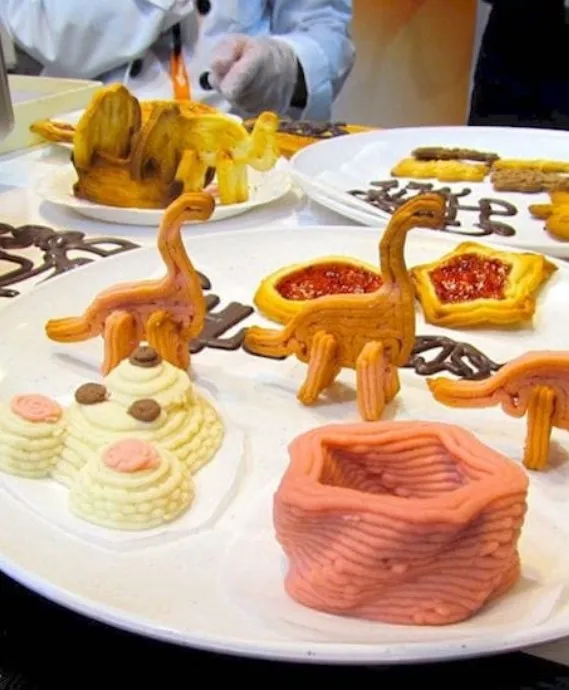
Food 3D printing builds structures layer by layer, unlike traditional methods that rely on
moulds and manual shaping.
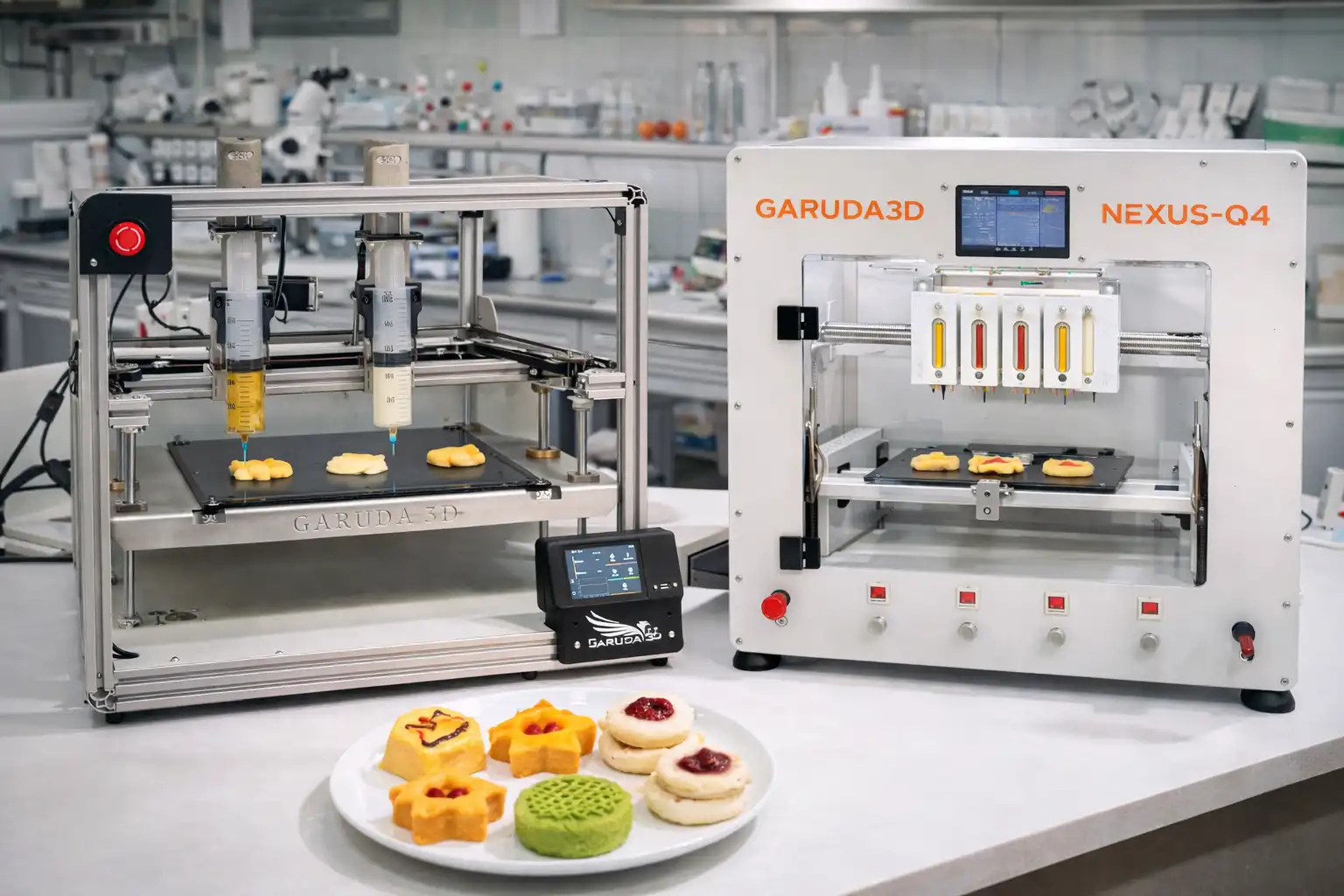
A food-grade syringe extrudes paste, gel, dough, or liquid through a precision nozzle to create
3D food designs.
It is widely used in pharmaceutical nutrition, food R&D, personalized diets, and high-end
culinary production.
By using 3D printing technology, specific food materials can be mixed and processed into complex
structures and shapes — enabling entirely new categories of food design.
Key Facts at a Glance
01
Additive Manufacturing
Structures are built layer by layer, directly from CAD or digital design files — just like industrial 3D printing but with 100% edible materials.
02
Multiple Print Methods
Extrusion, binder jetting, selective laser sintering, and inkjet deposition are all used depending on the ingredient type and desired output.
03
Precision Nutrition
Enables exact control over ingredient ratios, portion size, and macronutrient content — ideal for personalised dietary and clinical nutrition applications.
04
Industrial & Culinary Use
Deployed across food manufacturing R&D, high-end gastronomy, culinary education, healthcare nutrition, and alternative protein development.
Print Methods
Core Printing Technologies
01 // Extrusion
Paste & Semi-Solid Extrusion
The most widely used method. Food paste is loaded into syringes and extruded through nozzles under controlled pressure. Suitable for chocolate, dough, purees, meat pastes, cheese, and cream. GARUDA3D printers use this method with dual-head architecture.
02 // Inkjet
Inkjet / Binder Jetting
A liquid binding agent is selectively deposited onto a powder bed (sugar, starch, or protein). The binder fuses the powder layer by layer. Excellent for producing complex internal geometries and highly detailed sugar sculptures. Colour can also be integrated via food-grade inks.
03 // SLS
Selective Laser Sintering
A laser selectively sinters (fuses) food materials such as sugar or starch layer by layer without a binder. Produces very high-detail structures with good mechanical integrity.
04 //
Hot-Melt Extrusion
Dough / pastes, lipid-based compounds, or hard candy — is melted and extruded in filament form. Ideal for high-resolution decorative confectionery and chocolatier applications.
05 // Cold
Cold-Zone Extrusion
A specialised variant of paste extrusion operating at or below 0°C. Allows printing of fresh, temperature-sensitive ingredients — including raw meats, seafood pastes, dairy cream, and frozen desserts — while maintaining food safety and structural integrity throughout the build.
06 // Multi
Multi-Material & Dual-Head
Advanced systems such as GARUDA3D's dual-head food printer enable simultaneous extrusion of two distinct food materials. Enables complex multi-ingredient food objects — layered flavours, contrasting textures, or combined macro- and micronutrient profiles — in a single print operation.
COMPATIBLE INPUTS
PRINTABLE FOOD MATERIALS
Food 3D printing is compatible with a wide range of edible materials.
The key requirement is suitable viscosity or cohesion to retain shape
during layered deposition.
CHOCOLATE & CONFECTIONERY
Dark, milk, white — all grades
DOUGH & PASTRY
Bread, cookie, pizza base
CHEESE & DAIRY
Soft and semi-hard varieties
MEAT & PROTEIN PASTES
Minced, surimi, tofu blends
PUREED VEGETABLES & FRUIT
Potato, carrot, berry purées
SUGAR & FONDANT
Liquid, royal icing, isomalt
ALTERNATIVE PROTEINS
Algae, insect, legume-based
GELS & HYDROCOLLOIDS
Agar, gelatin, methylcellulose
Process Deep Dive
How Food 3D Printing Works
From a design file on a computer to a precision-formed edible product — the full workflow of a food 3D
printing operation.
Step 01 // Digital Design
Create or Import a 3D Model
The process begins with a 3D food design file — created in CAD software, downloaded from a recipe library, or generated through a food-specific design tool. The file defines the object's geometry including internal structure, layer order, infill density, and material assignment zones. Files are typically in .STL, .OBJ, .3MF, or .GCODE format.
Step 02 // Slicing
Slice the Model into Layers
Slicing software converts the 3D model into a series of 2D cross-sectional layers and generates the machine instructions (G-code) that dictate nozzle movement, extrusion rate, speed, and layer height. Food slicers like Cura (with food profiles) or custom proprietary slicers are used. Layer heights typically range from 0.5 mm to 2 mm for food printing.
Step 03 // Material Loading
Prepare and Load Food Materials
Food materials are prepared — blended, tempered, or reduced to the required consistency — then loaded into food-grade syringes or cartridges. For dual-head systems, each extruder is loaded with its respective material. Temperature control (either heating or cooling to sub-zero) is applied to achieve optimal rheological properties for extrusion.
Step 04 // Printing
Layer-by-Layer Deposition
The printer executes the G-code, moving the print head along programmed XYZ paths and depositing material in precise amounts. Each layer is built upon the previous, with the material's natural cohesion holding the structure in form. Print speeds of 5–60 mm/s are typical, with the print environment maintained at or below 0°C for cold extrusion applications.
Step 05 // Post-Processing
Finishing and Post-Processing
Once printing is complete, the food object may undergo post-processing: baking (for dough-based prints), tempering (for chocolate), chilling (for dairy or protein), or garnishing and glazing for presentation. Some materials are ready to serve immediately after printing. Others require a setting phase before handling.
Value Proposition
Why Food 3D Printing Matters
Food 3D printing offers a range of measurable benefits across nutrition, sustainability, manufacturing
efficiency, and culinary creativity.
Precise Nutritional Customisation
Exact control over macro and micronutrient ratios enables tailored food for athletes, clinical patients, the elderly, and specific dietary requirements. Each portion can be individually calibrated — a capability impossible with conventional food production.
Reduced Food Waste
Additive manufacturing uses only what is needed. Precise portioning eliminates over-production. Ingredients such as off-cuts, vegetable pulp, and food by-products can be incorporated into print materials, reducing waste across the supply chain.
Geometric Design Freedom
Complex internal structures, multi-layer architectures, and precision surface geometries that are impossible to achieve by hand or mould become routine. Food design is no longer constrained by the limits of manual skill or traditional tooling.
Sustainable & Alternative Ingredients
Food 3D printing is uniquely suited to processing alternative protein sources — algae, insect protein, mycoprotein, and lab-grown meat — into appealing, consumer-ready formats. It bridges the sensory gap between sustainable ingredients and consumer acceptance.
Rapid Product Prototyping
Food manufacturers and R&D teams can iterate on new product formulations at speed. A new recipe or format can be designed, printed, and evaluated in hours rather than days — dramatically compressing the new product development cycle.
On-Demand & Personalised Production
Foods can be produced on demand, in small batches or individually, with personalised geometry, flavour, and nutrition. This enables mass-customisation — serving individual customers with unique products without the cost overhead of traditional customised food production.
Sectors
Industries Adopting The Technology
Food 3D printing is being deployed across a growing range of industries and professional contexts —
from clinical nutrition to haute cuisine to sustainable food production.
01
High-End Gastronomy
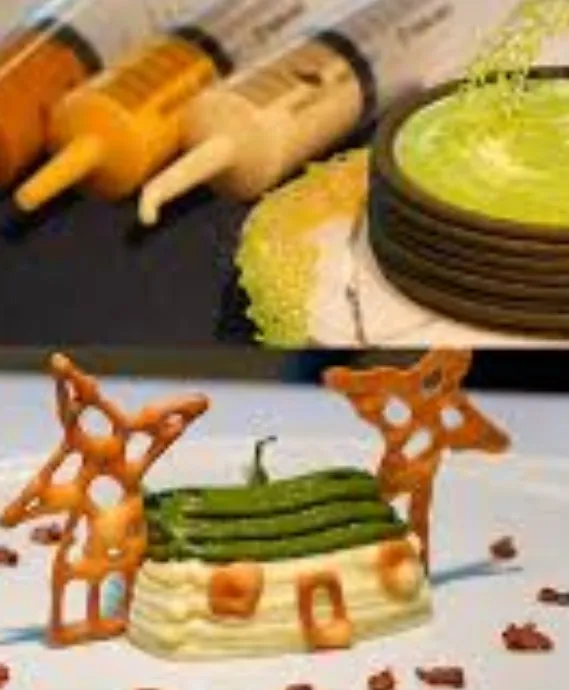
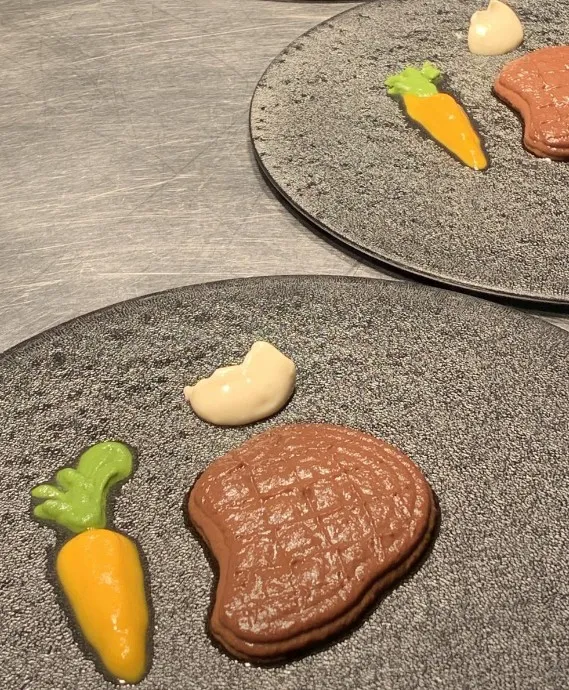
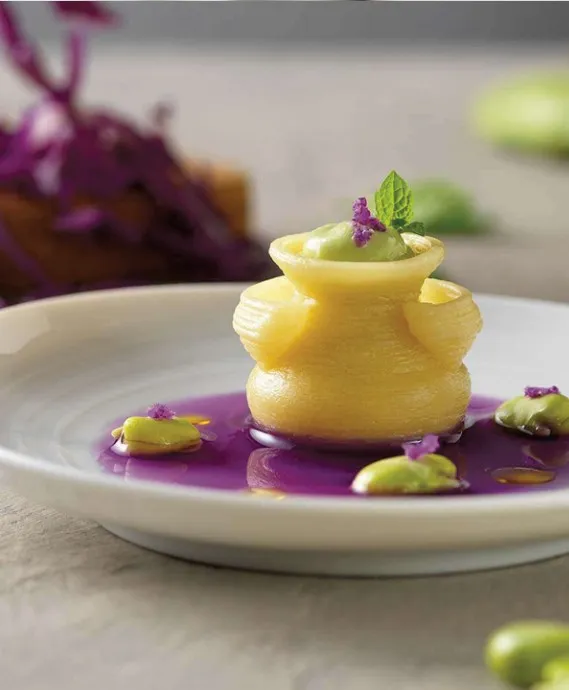
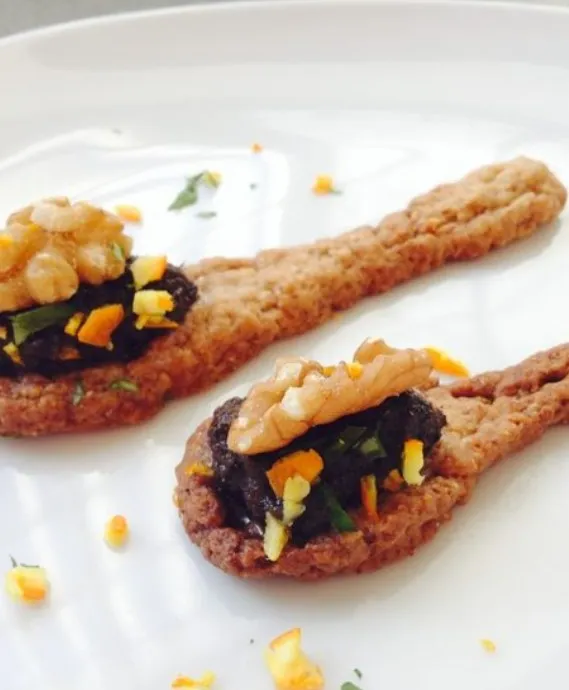
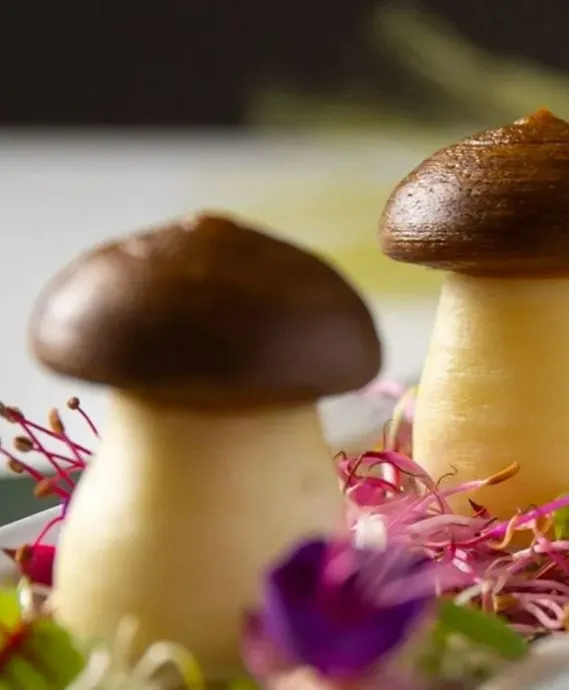
Michelin-starred restaurants and advanced culinary studios use food 3D printers to produce sculptural, precise edible components impossible to replicate by hand. The technology elevates plating, creativity, and consistency.
Luxury Food
02
Clinical & Healthcare Nutrition
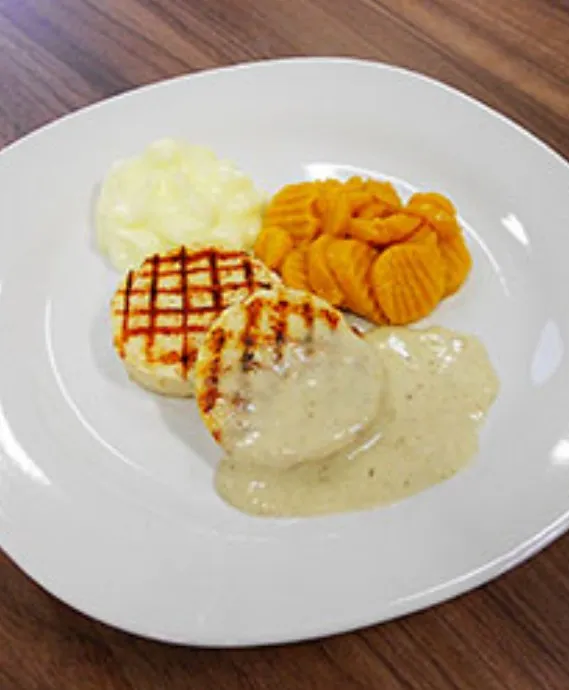
Hospitals and care facilities deploy food 3D printing to produce precisely portioned, textured meals for patients with dysphagia, malnutrition, or specific dietary protocols — with exact macronutrient content per serving.
Healthcare
03
Confectionery & Bakery
Chocolate, sugar, and fondant printing enables unprecedented design detail for custom confectionery, wedding cakes, branded food gifts, and seasonal products at commercial scale without handcraft labour costs.
Confectionery
04
Food Manufacturing R&D
Food technologists prototype new product formats, test formulations, and evaluate novel ingredients using food 3D printing before committing to full-scale production tooling — compressing development cycles by weeks.
R&D
05
Alternative Protein Production
Plant-based and cultivated meat producers use food printing to structure alternative proteins into realistic meat-like textures and formats — overcoming one of the central challenges of consumer adoption.
Alt-Protein
06
Culinary Education
Food 3D printing is entering culinary schools and university food science programs as both a practical tool and a subject of study — preparing the next generation of chefs and food technologists for digital gastronomy.
Education
Honest Assessment
Current Challenges & Future Outlook
Current Challenges
⚗
Material Viscosity Constraints
Only materials with sufficient paste-like consistency can currently be extruded reliably. Liquid or fibrous ingredients require special processing before printing, limiting some raw ingredient types.
⏱
Print Speed vs. Volume
Current print speeds are well suited to single-portion or small-batch production. High-volume industrial throughput at the scale of conventional food processing lines is still an ongoing engineering challenge.
🧪
Food Safety & Regulatory Compliance
Maintaining hygiene standards across all contact surfaces, nozzles, and syringes requires rigorous cleaning protocols. Regulatory frameworks for novel food printing processes are still evolving in most markets.
💰
Capital Cost & ROI
Professional food 3D printing systems represent a significant capital investment. The business case must account for the premium output quality and the labour savings relative to conventional production methods.
Future Outlook
🌿
Sustainable Food Systems Integration
Food 3D printing will play a growing role in sustainable food production — enabling efficient use of alternative proteins, reducing waste, and decentralising food production to local facilities.
🧬
Precision Nutrition at Scale
As wearable health data and genomic nutrition science mature, food 3D printing will become the production mechanism for truly personalised nutrition programs — meals designed to your exact biological needs.
🤖
AI-Driven Recipe Generation
Machine learning will automate both recipe design and print parameter optimisation — removing the specialist knowledge barrier and enabling any food professional to produce complex 3D-printed output.
🏭
Industrial-Scale Deployment
Multi-head, high-throughput food printing systems are in active development. The next decade will see food 3D printing transition from a specialty tool to a standard piece of industrial food production infrastructure.
Our Solutions
Scale Your Food Printing Capability with Our Food 3D Printers
Professional
Explore NEXUS Q2 - Dual Head Food 3d Printer
Reliable food additive manufacturing platform designed for chocolate, dough, puree, paste, and customised edible product development for commercial kitchens, R&D labs, and educational use.
Everything you need to know about Food 3D Printing technology, process,
materials, benefits, and future applications.
What exactly is food 3D printing?
Food 3D printing is an additive manufacturing process that builds edible
structures layer by layer from digital designs using food-grade materials
such as pastes, gels, doughs, powders, and semi-solid ingredients.
What printing technologies are used in food 3D printing?
Main technologies include Paste & Semi-Solid Extrusion, Inkjet/Binder
Jetting, Selective Laser Sintering (SLS), and Hot-Melt Extrusion (FDM).
Advanced systems may also use dual-head multi-material or cold-zone printing.
What food materials can be 3D printed?
Materials include chocolate, dough, cheese, meat pastes, vegetable purées,
fruit blends, sugar, fondant, alternative proteins, agar, gelatin, and
other ingredients with suitable viscosity and cohesion.
How does the food 3D printing process work?
The process starts with a CAD model, followed by slicing into layers and
G-code generation. Prepared food material is loaded into cartridges, then
deposited layer by layer. Final steps may include baking, chilling,
tempering, or garnishing.
What are the key benefits of food 3D printing?
Benefits include nutritional customisation, reduced food waste, geometric
design freedom, support for sustainable ingredients, rapid food product
prototyping, and personalised on-demand meal production.
What are the challenges and future outlook of food 3D printing?
Current challenges include material limitations, slower print speeds,
hygiene requirements, and equipment cost. Future growth is expected in
precision nutrition, AI recipe generation, industrial food production,
sustainable food systems, and space missions.
"Transform Ideas with Garuda3D Innovation Services"