
Keerthika Technologies,
2-39/1/B, Beside DENA
Bank, Gowthami nagar,
Chandanagar, Hyderabad,
India - 500050
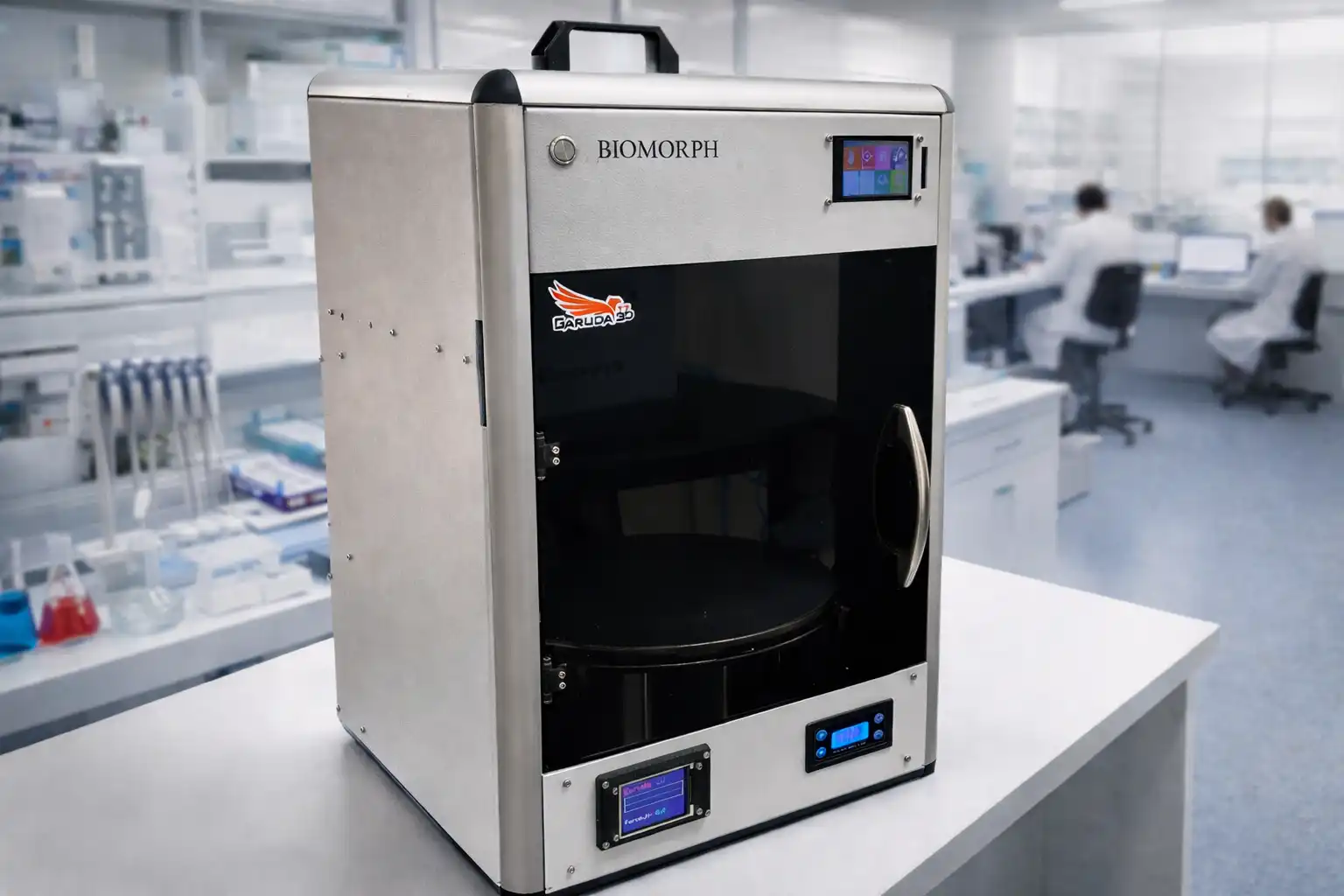
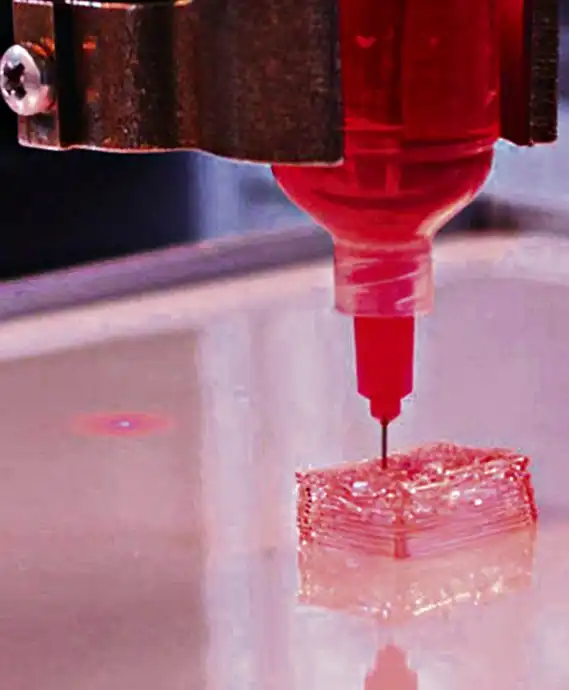
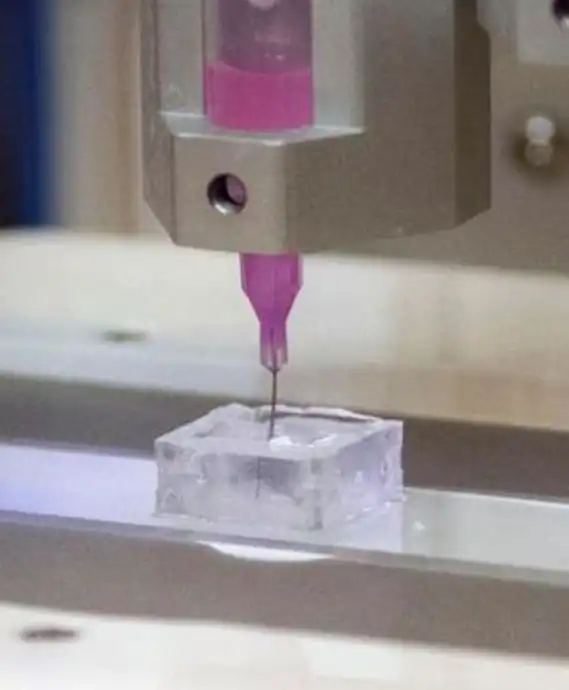
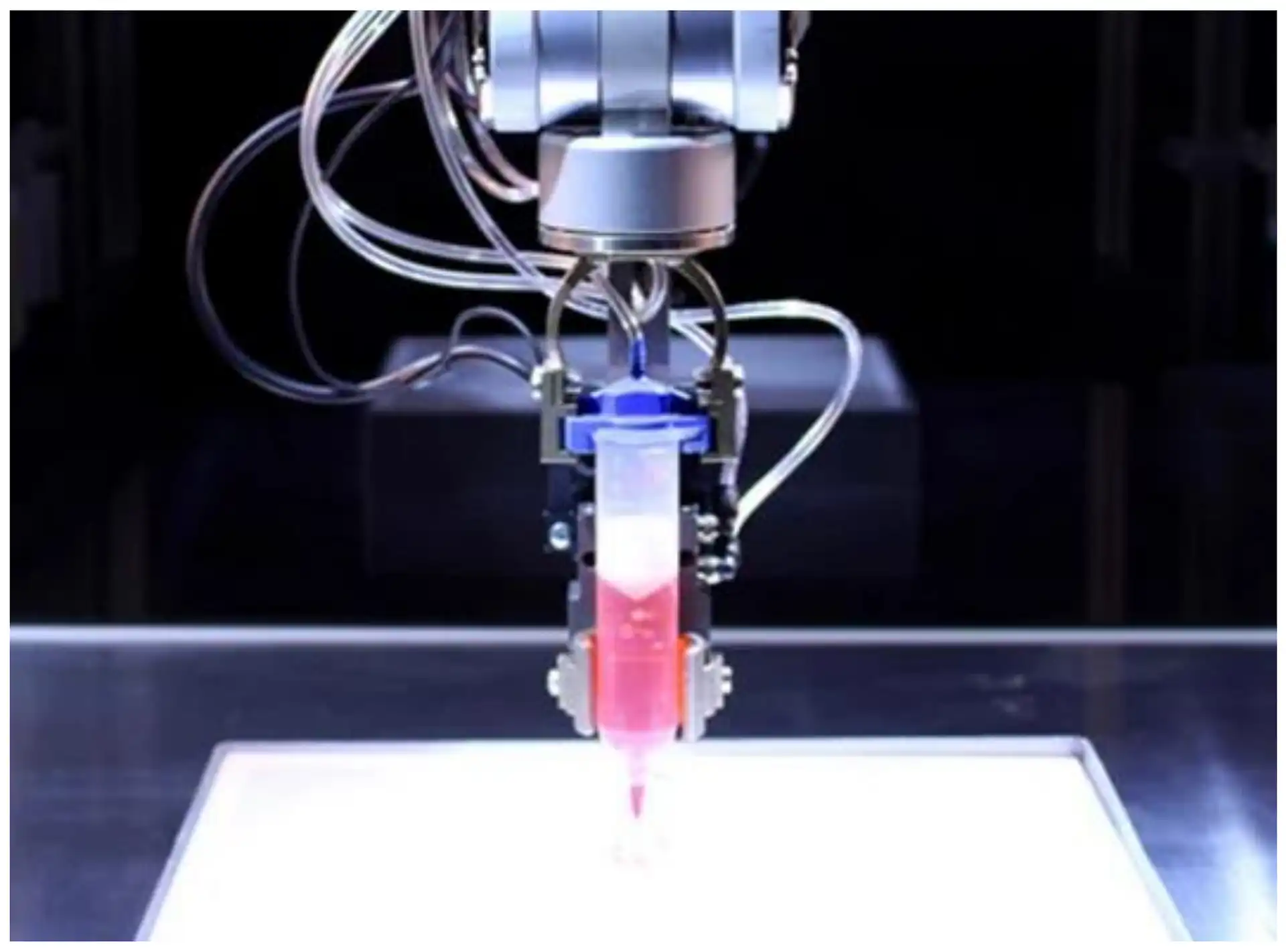
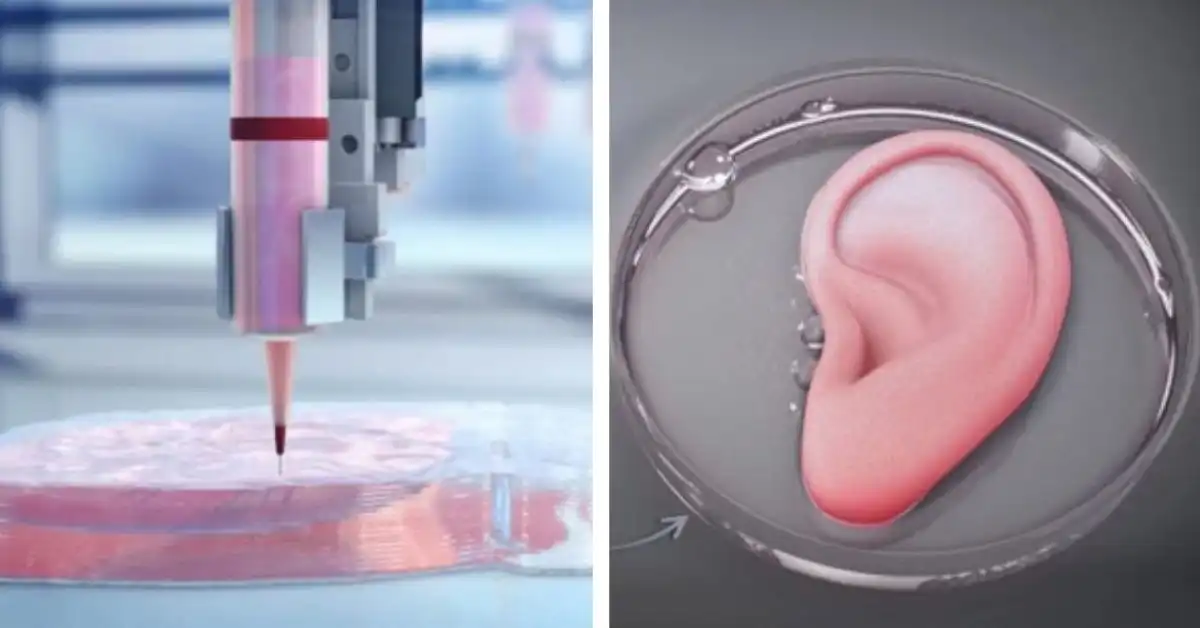
Garuda3D's most capable mid-range bioprinter, engineered for researchers who demand more. The Bio MORPH integrates real-time pressure monitoring and an on-board UV curing system — enabling photopolymerisable bioinks, tighter flow control, and clinical-grade repeatability in a single platform.
The Bio MORPH is Garuda3D's advanced bio 3D printer, designed for research organisations that require capabilities beyond standard extrusion-based bioprinting.It retains the proven Cartesian-frame architecture and BD syringe compatibility of the Bio ATOM while adding two defining upgrades: on-board UV curing and real-time pressure monitoring.
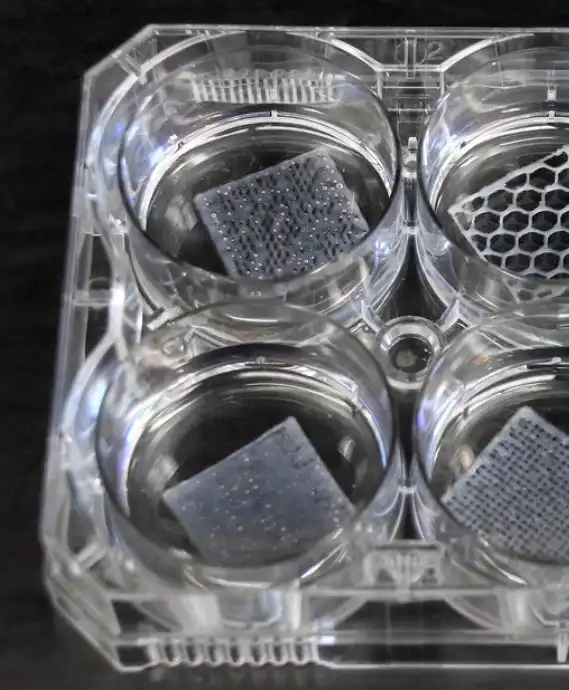
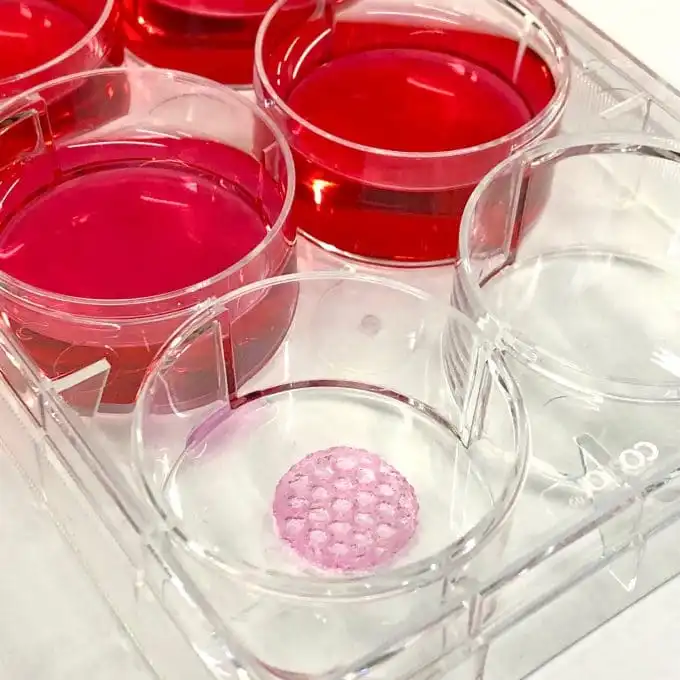
These enhancements expand the material palette — photopolymerisable hydrogels such as GelMA and PEGDA can now be crosslinked in-situ during the print, enabling complex multi-layer scaffolds with superior structural integrity.
Pressure monitoring ensures consistent volumetric output regardless of bioink batch variation, making the Bio MORPH the preferred platform for reproducible, publication-grade bioprinting experiments.
Research Advantage: Pressure data logs can be retained alongside print records, supporting experimental traceability and enabling correlation between extrusion parameters and construct outcomes.
The Bio MORPH's integrated UV curing module is mounted directly on the print carriage, delivering targeted ultraviolet exposure to deposited bioink layers as they are printed. This in-situ photocrosslinking capability eliminates the need for post-print curing steps and dramatically improves layer-to-layer adhesion.
By crosslinking each layer immediately upon deposition, the Bio MORPH can fabricate tall, structurally stable constructs with photopolymerisable hydrogels such as GelMA and PEGDA that would otherwise deform under gravity before reaching the post-process stage.
UV lamp integrated directly onto the print head carriage ensures consistent exposure geometry relative to the nozzle tip with every pass.
Validated with methacryloyl-modified gelatin (GelMA) and poly(ethylene glycol) diacrylate (PEGDA) — two of the most widely used photocurable bioinks in tissue engineering research.
Each deposited layer is crosslinked before the next is applied, producing constructs with superior vertical structural integrity and minimal deformation.
UV capability opens access to the full range of photopolymerisable bioinks unavailable to standard extrusion-only printers, widening research scope significantly.
The Bio MORPH's integrated pressure monitoring system gives researchers continuous visibility into extrusion conditions during every print. This is a critical advance over pressure-blind extrusion printers where flow inconsistencies go undetected until the print fails.
By tracking extrusion pressure in real time, the system alerts researchers to nozzle blockages, syringe depletion, viscosity anomalies and other conditions that compromise print quality. Protocols can be adjusted mid-run rather than restarted from scratch.
For pharmaceutical and clinical research applications where print reproducibility is a prerequisite for data validity, pressure-monitored bioprinting establishes a new baseline for result confidence.
The Bio MORPH's material compatibility is significantly broader than entry-level bioprinters thanks to its UV curing module. The full spectrum of thermoresponsive hydrogels is supported alongside an extended range of photopolymerisable bioinks that require in-situ crosslinking.
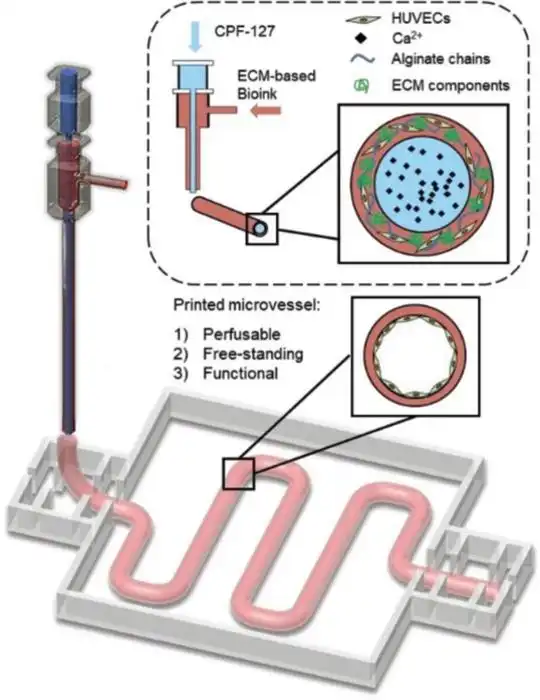
Materials marked with ✦ UV Curable are enabled exclusively by the on-board UV system. These include GelMA — the most widely published bioink in tissue engineering literature — and PEGDA, commonly used in vascularisation and organ-on-chip studies.
Material viscosity and tip gauge selection remain key parameters. Pressure monitoring data assists researchers in determining optimal extrusion conditions for each specific bioink formulation.
Note: Garuda3D recommends running a pressure calibration routine with each new bioink batch to establish a baseline profile before commencing full scaffold production runs.
Technical Data
Ideal starting point for academic labs and early-stage research. Reliable extrusion-based bioprinting with essential capabilities.
Enhanced research platform with UV curing and pressure monitoring for higher precision, control, and material capability.