logo

Follow on Social Media

Bioprinting Technology · Entry Level Research Grade

BIO
ATOM

Bio 3D Printer
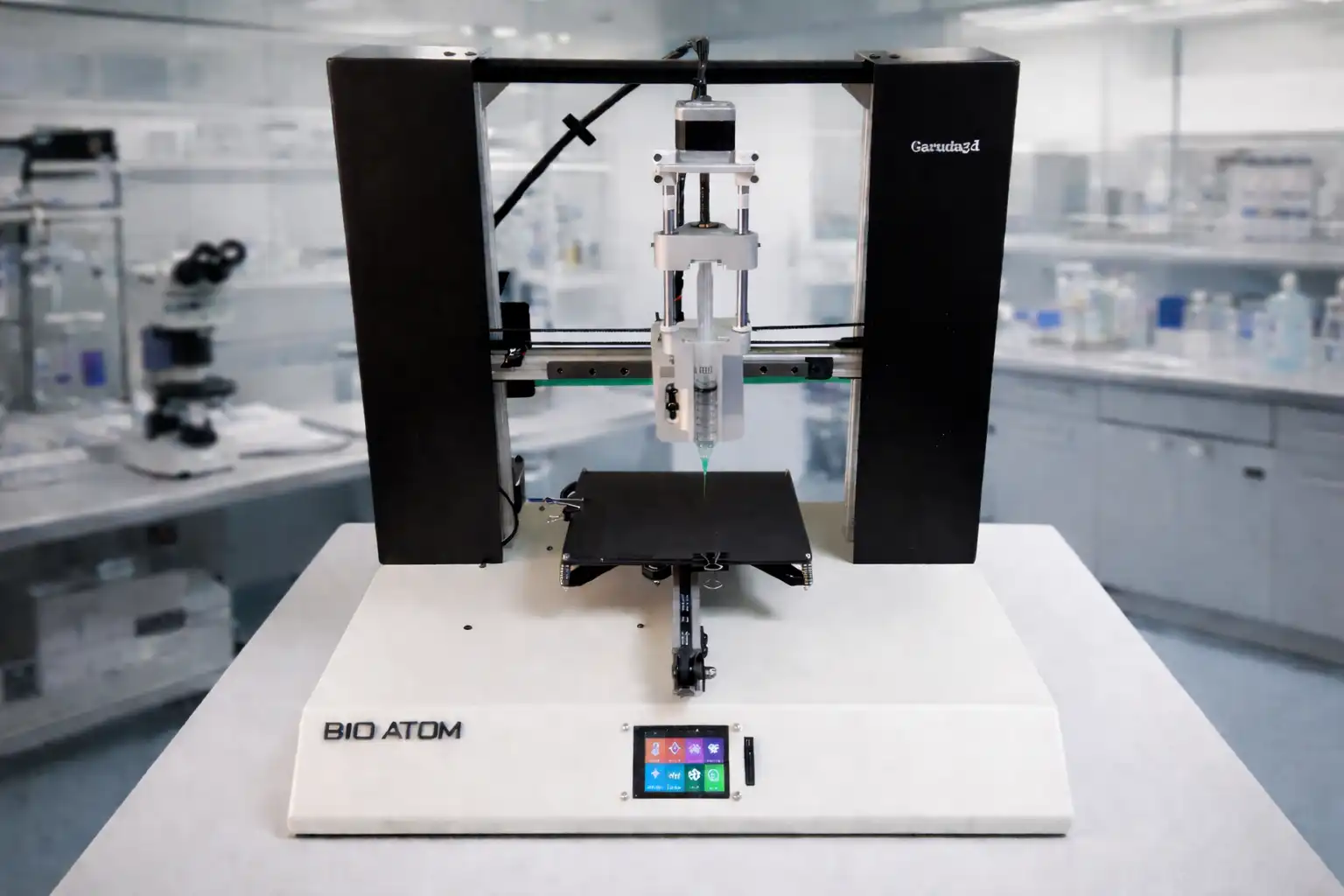
Bio ATOM bio 3D printer for tissue engineering, drug testing, and research laboratories

Bio ATOM is an entry-level extrusion-based bioprinter designed for universities, research labs, and biomaterial experimentation. This syringe-based bioprinter supports hydrogel bioinks such as gelatin, alginate, chitosan, and collagen.

Bio ATOM bio 3D printer for tissue engineering, drug testing, and research laboratories
Stepper Motor Driven
Electro-mechanical lead screw extruder for precise, controlled bioink deposition at consistent flow rates.
Open Architecture
Cartesian-frame design with open-source flexibility — fully customizable for evolving research protocols.
Multi-Material Ready
Compatible with thermoresponsive hydrogels including Gelatin, Alginate, Chitosan, Collagen, and custom bioinks.
USB & SD Card
Flexible connectivity — print via USB from workstation or load G-code independently from SD card.

Why Choose the Bio ATOM Bio 3D Printer?

Open material platform

Designed for research workflows

Easy to adopt in academic labs

Scalable to advanced systems

Cost-effective entry into bioprinting

Easy setup for academic labs

Compatible with multiple bioinks

Modular upgrade path to Bio MORPH / PRO

Engineered For
Research-Grade
Bioprinting

The Bio ATOM is Garuda3D's entry-level bio 3D printer designed to satisfy the core bioprinting needs of any research organisation. Equipped with a single Bio-Head extrusion system, it uses standard BD syringes with interchangeable Luer-lock tips for versatile material compatibility.

The system supports 3 mL, 5 mL, and 10 mL BD syringes, enabling researchers to work with small precious biological samples or larger batch productions. Material viscosity governs output — Designed for repeatable experimental outcomes and controlled deposition of bioinks.

Designed with an open Cartesian architecture, the Bio ATOM is built for laboratories that need a dependable, affordable entry-point into additive biofabrication without compromising on precision or material breadth. Designed for repeatable experimental outcomes and controlled deposition of sensitive bioinks.

Cartesian Frame Single Extruder Luer-Lock Tips 3/5/10 mL BD Syringes USB + SD Card Thermoresponsive Hydrogels
Quick Specifications
Printer TypeExtrusion Based
ExtruderSyringe-based micro-dispensing (Stepper-driven)
Drive SystemStepper Lead Screw
Syringe Compatibility3 / 5 / 10 mL BD
Tip SystemLuer-Lock Interchangeable
ConnectivityUSB & SD Card
FrameCartesian Architecture
Target UserResearch / Academic
Nozzle Range 100 µm – 1 mm
Open platform for flexible research use
Compatible with sterile lab workflows
Optional enclosure for controlled experiments

Bioprinter Features & Capabilities

01 — EXTRUSION
Syringe-Based Bioink Extrusion
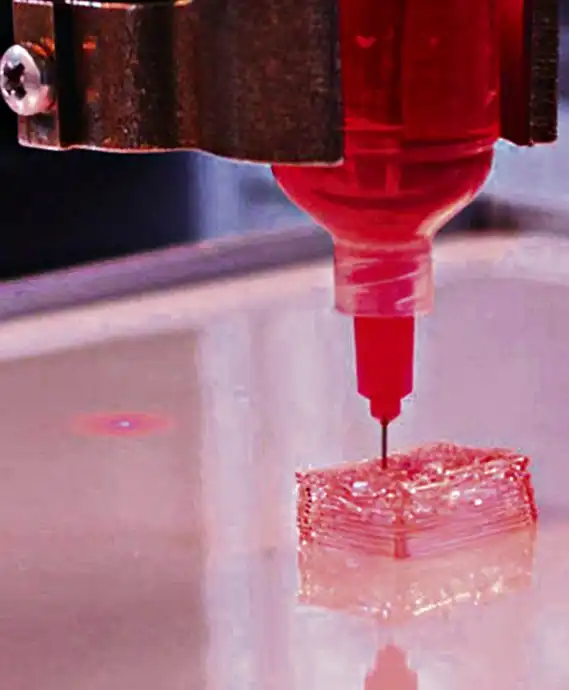
Enables precise deposition of hydrogels and cell-laden materials using controlled lead screw actuation.
02 — SYRINGE
BD Syringe Compatible
Uses globally standardised BD syringes in 3 mL, 5 mL and 10 mL formats. Luer-lock compatibility ensures a secure, leak-free seal across all interchangeable tip configurations.
03 — ARCHITECTURE
Open Cartesian Frame
Rigid Cartesian frame provides stable XYZ motion control with predictable repeatability. Open-design philosophy enables custom tooling integration and workflow adaptation.
04 — WORKFLOW
Flexible Connectivity
Connect directly to a laboratory workstation via USB for real-time print control, or operate autonomously using SD card-loaded G-code for standalone print runs.
05 — MATERIALS
Broad Ink Compatibility
Tested with collagen, chitosan, gelatin, alginate, and a broad range of custom bioinks. Material viscosity and tip diameter pairing gives researchers extensive formulation latitude.
06 — SCALABILITY
Research Scalable
Designed as an accessible entry-point into biofabrication. The Bio ATOM\'s open architecture supports iterative upgrades as laboratory programs grow in complexity.

Supported Bioinks for Hydrogel Bioprinting

Gelatin
Thermoresponsive
Alginate
Hydrogel
Chitosan
Polysaccharide
Collagen
Protein-based
Custom Bioinks
Formulation-dependent
Biocompatible Hydrogels
Research-grade

The Bio ATOM supports a wide spectrum of biological materials suited for tissue engineering, scaffold fabrication, and drug delivery research. Material suitability is governed by viscosity — lower-viscosity bioinks paired with appropriately sized Luer-lock tips produce the most consistent deposition results.

Thick, high-viscosity materials benefit from larger tip gauges and lower feed rates. Garuda3D recommends testing viscosity parameters prior to full-run fabrication to establish optimal print parameters for each specific formulation. NOTE : Material compatibility depends on viscosity, crosslinking method, and experimental setup.

Viscosity Advisory: Thicker materials extruded through small-gauge tips require greater extrusion force. Calibrate feed rate and tip selection together to maintain structural fidelity across all print layers.

Supports bioinks with viscosity ranging from low-viscosity hydrogels to semi-viscous biomaterials. Compatibility depends on material rheology and crosslinking method.

Applications of Bio 3D Printing in Research Labs

Tissue Engineering & Regenerative Medicine
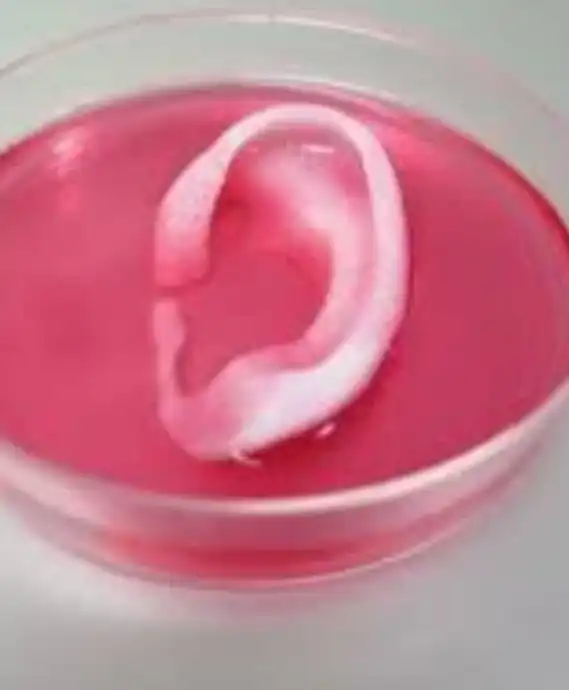
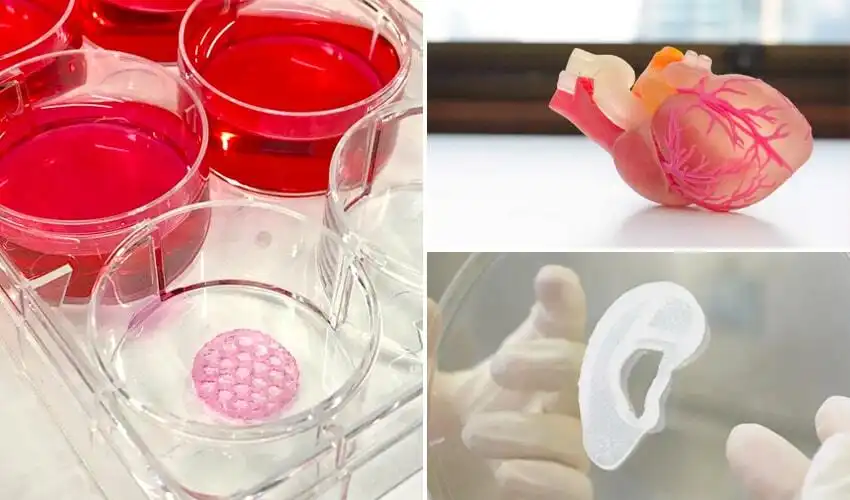
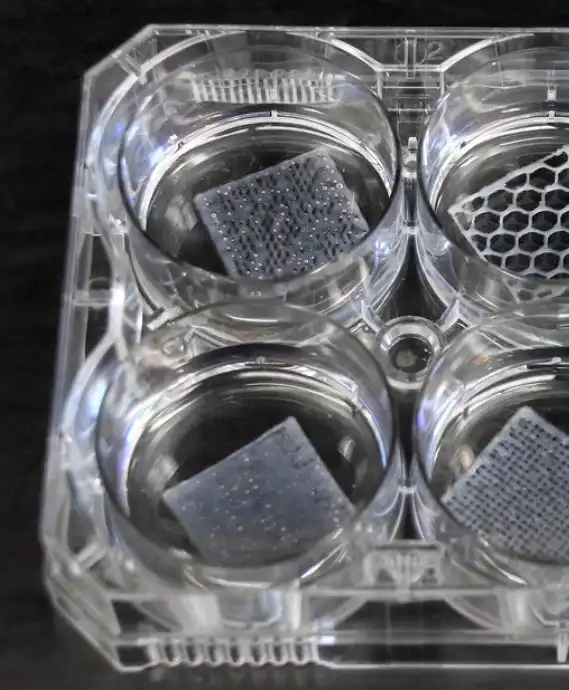
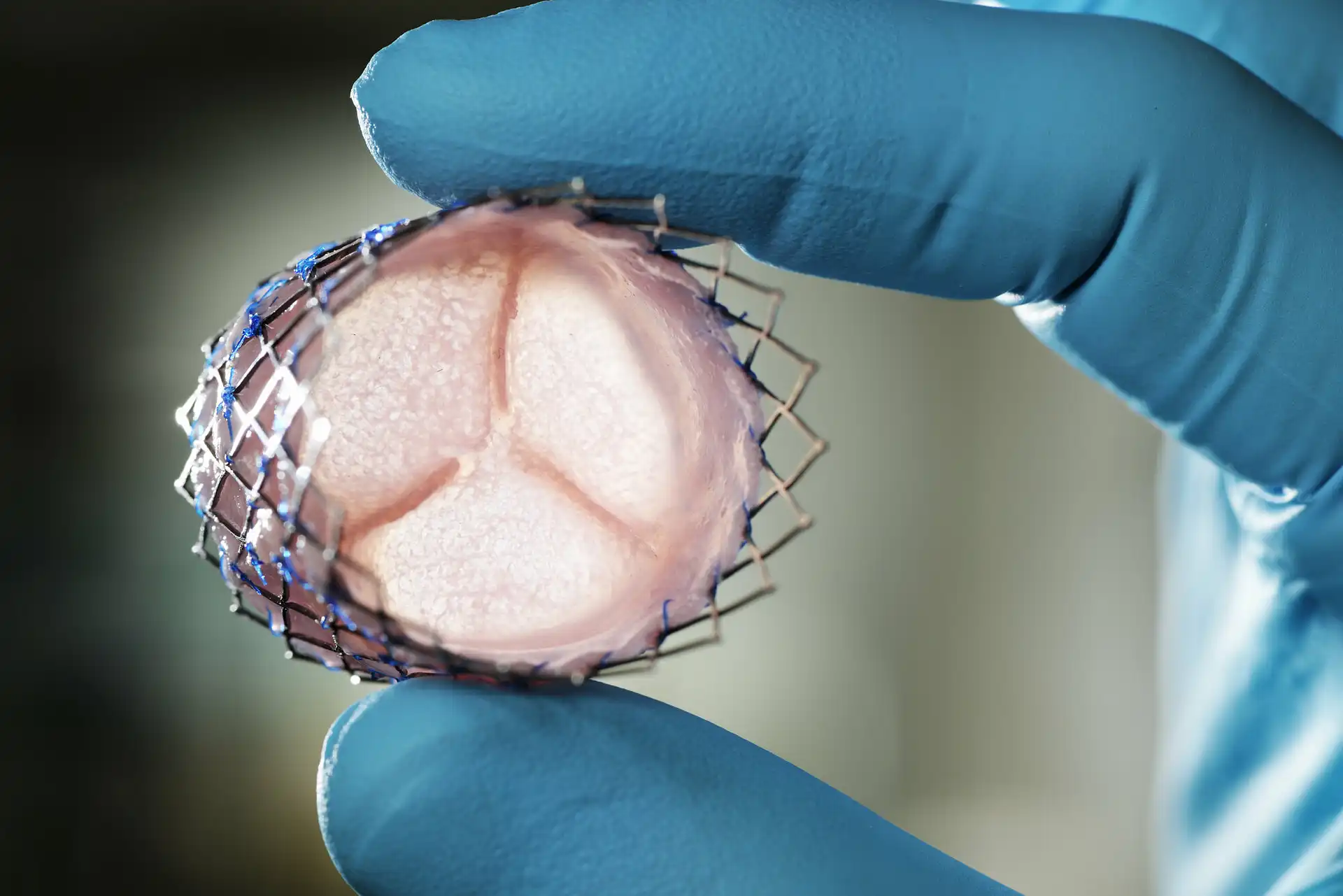
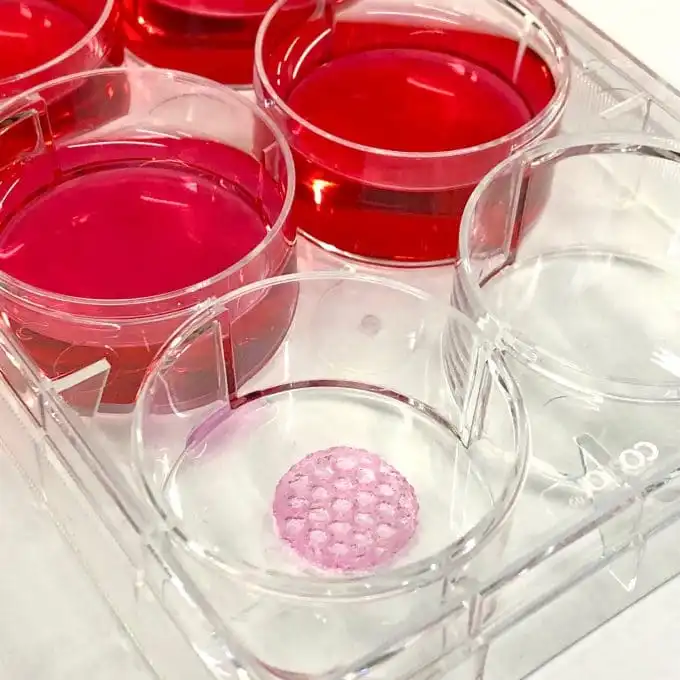
Fabricate patient-specific tissue scaffolds and constructs for regenerative therapies. The Bio ATOM supports the creation of personalised tissue models that improve therapeutic outcomes across a range of disease states.
Cancer Research & Tumour Modelling
Bioprint physiologically accurate tumour models that replicate in vivo microenvironments. These models enable more reliable cancer progression studies and screening of therapeutic compounds under controlled conditions.
Pharmaceutical Drug Testing
Bioprinted tissue platforms offer a physiologically relevant substrate for drug efficacy and toxicity testing. Reduce dependence on animal models while improving predictive accuracy at the pre-clinical stage.
Academic Education & Research Labs
Universities and biomedical institutes use the Bio ATOM as a hands-on teaching platform for tissue engineering curricula, providing students and researchers direct experience in biofabrication techniques and scaffold design.
Universities & Biomedical Labs
Ideal for academic research and experimentation, where bio 3D printing supports studies in cell behavior, drug testing, and advanced tissue models.
Tissue Engineering Research
Used to develop and test artificial tissues, enabling breakthroughs in regenerative medicine and organ reconstruction.
Early-Stage Biotech Startups
Helps startups rapidly prototype and validate bio-based innovations, reducing development time and accelerating product commercialization.

How The Bio ATOM Works

01
Prepare Bioink
Load hydrogel or bioink into a compatible BD syringe (3, 5, or 10 mL). Select and attach the appropriate Luer-lock tip gauge for material viscosity.
02
Load & Slice
Import your 3D scaffold design into slicing software. Define layer parameters, print speed, and extrusion settings. Export as G-code.
03
Transfer to Printer
Send the G-code file via USB connection from your workstation, or save it to an SD card for autonomous, standalone operation.
04
Bioprint
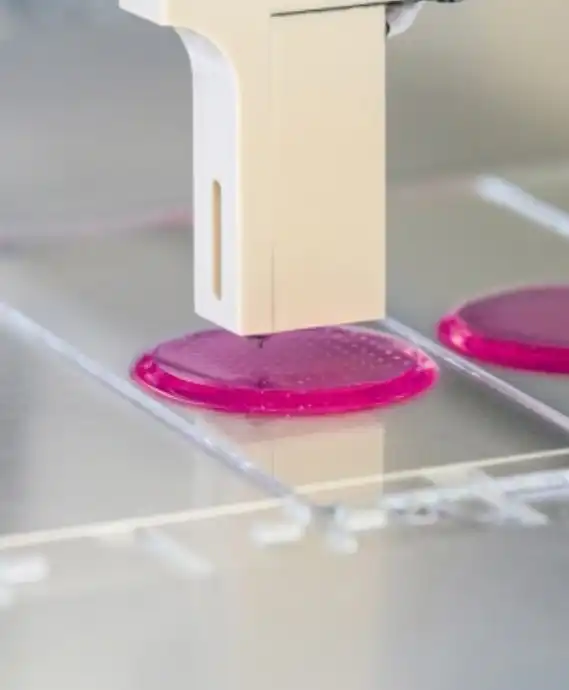
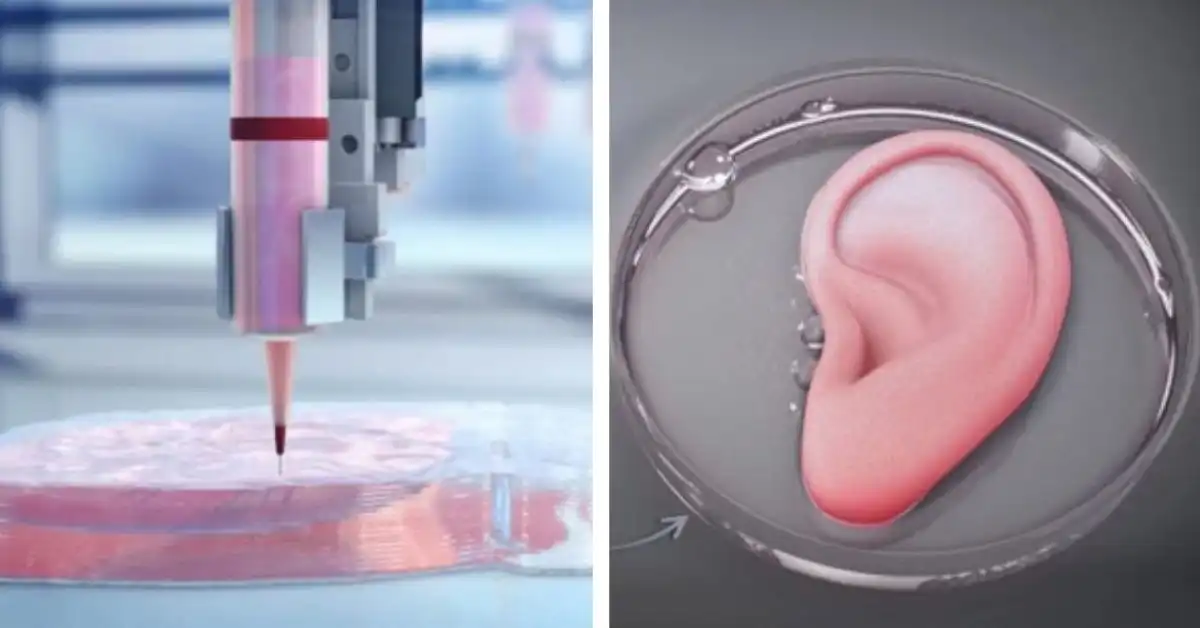
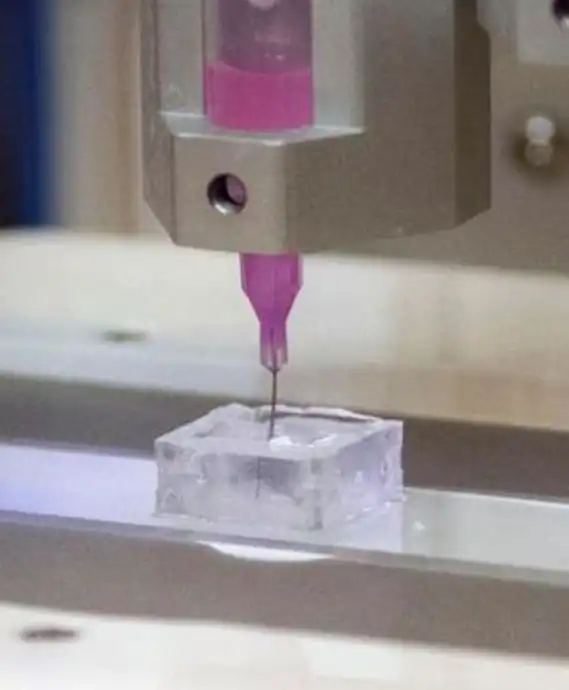
The stepper-driven lead screw extruder deposits bioink layer by layer on the print bed. The Cartesian system ensures precise XYZ motion control.
05
Post-Process
Apply crosslinking, gelation, or cell seeding protocols as required by your specific research application. Construct is ready for analysis or culture.

Full Specifications

General Properties
Print TechnologyElectro-mechanical extrusion (stepper motor + lead screw)
Build Volume120 × 120 × 40 mm (Supports petri dishes, glass slides)
No. of HeadsSingle head
Syringe Compatibility3 mL / 5 mL / 10 mL BD syringes (Luer-lock tips)
Material CompatibilityHydrogels, Gelatin, Alginate, Chitosan, client-provided materials (≤500 mPa·s)
Print SpeedUp to 30 mm/s (*Material-dependent)
Print Precision0.1–0.2 mm (X/Y axes)
Build Plate LevelingManual
Display2.4” TFT touchscreen (USB/SD connectivity)
ArchitectureOpen-type Cartesian frame
Warranty12 months
Mechanical
Motion SystemLinear guide rails + lead screw transmission
Axis PrecisionX/Y: 0.1 mm
TypeSyringe-based micro-dispensing extrusion
Nozzle Range100 µm – 1 mm
Flow ControlProgrammable extrusion control
Nozzle material compatibilitySuitable for hydrogels and viscous bioinks
Temperature Control
Operating Temperature15⁰C to 45⁰C
Syringe HeatingRoom temperature to 80°C
Heated BedRoom temperature to 80°C
Software
Slicing SoftwareCura, Custom Slicer, RepRap
File Types.STL, .OBJ, .3MF, .GCODE
OS CompatibilityWindows, macOS, Linux
Adjustable parameters flow rate, speed, layer height
Connectivity
Power Requirements240V AC, 50Hz
ConnectivityUSB, Ethernet, Wi-Fi
Materials
SupportedHydrogels, Gelatin, Alginate, Chitosan, Agarose
Not RecommendedCell-laden bioinks (due to lack of sterility features)

Scale Your Bioprinting Capability

Entry Level

BIO ATOM

Ideal starting point for academic labs and early-stage research. Reliable extrusion-based bioprinting with essential capabilities.

  • Single Bio-Head
  • BD Syringe Compatible
  • Open Cartesian Frame
Advanced

BIO MORPH

Enhanced research platform with UV curing and pressure monitoring for higher precision, control, and material capability.
  • Single Bio-Head
  • UV Curing On-Board
  • Pressure Monitoring
High-End

BIO PRO

Full-scale biofabrication platform with advanced environmental control, sterility systems, and multi-material capabilities.

  • Dual-Head System
  • Enclosed Sterile Chamber
  • Advanced Process Control
"Advanced FFF & SSE 3D Printing Solutions for Real-World Manufacturing"

ⓒ Copyright 2025 Garuda3D

Welcome To Garuda3D

3D Printing Services
918297118877
3D Printers
918498991166
Call +91-8297118877
Hello! What can I do for you?
×
How can I help you?