Developed & deployed by Garuda3D – India’s advanced bioprinting platform
Advanced 3D bioprinting technology in India for precise tissue engineering using living cells and biomaterials—delivering high-precision, reliable results for biomedical research labs and biotech companies.
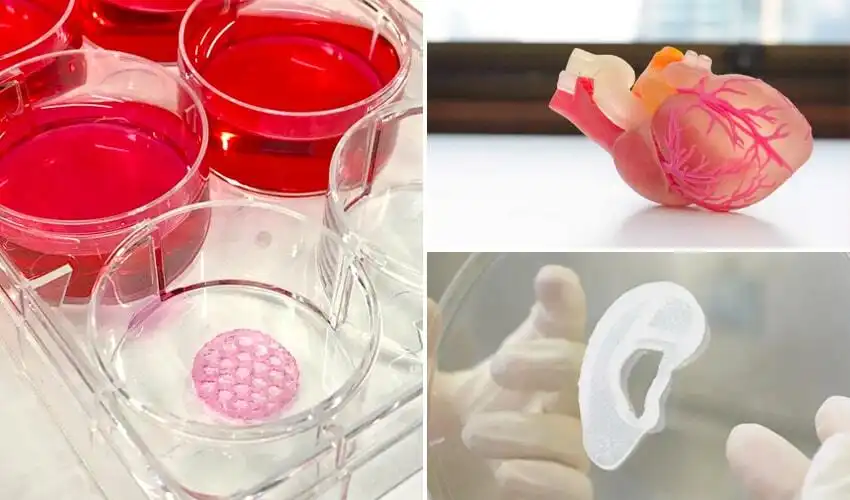
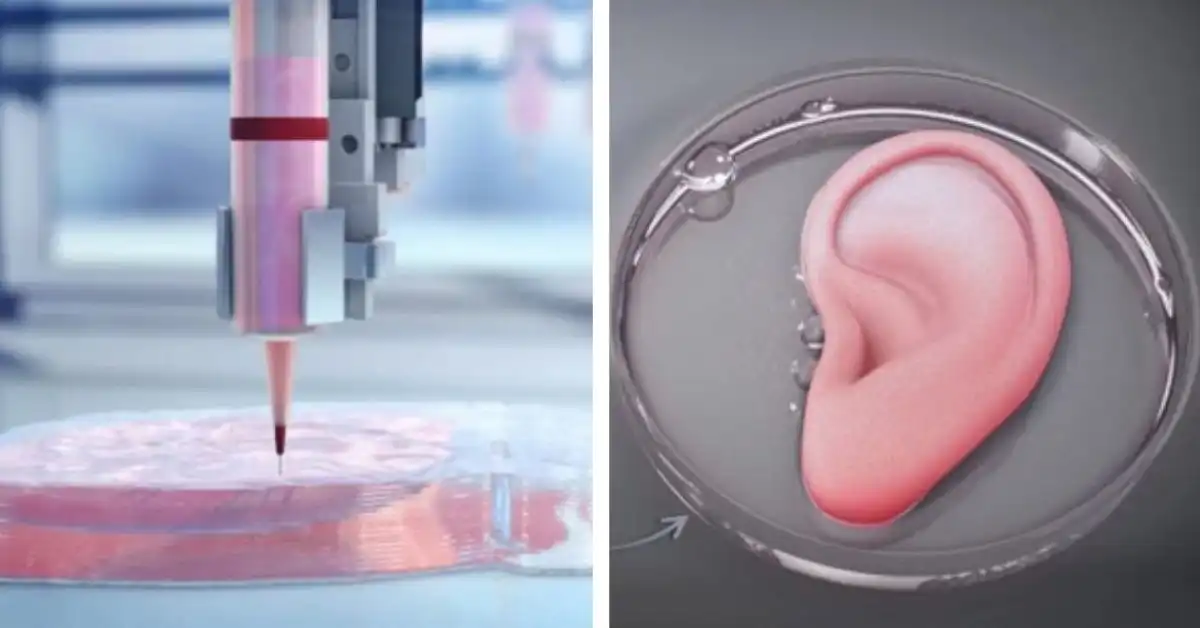
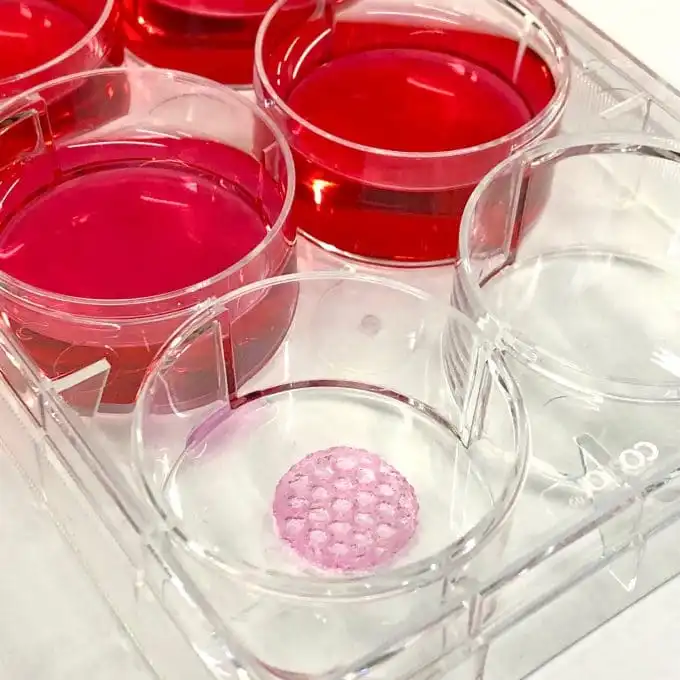
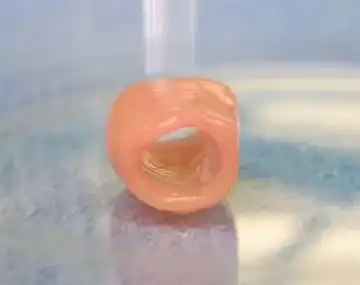
Bio 3D printing enables precise deposition of cell-laden bioinks used in bio 3D printing, composed of living cells, biomaterials, and bioactive molecules. Using computer-aided design, it allows the fabrication of complex tissue constructs that closely mimic native biological structures. The ultimate goal is to recreate, repair, and regenerate damaged tissues and organs.
CORE APPLICATIONS
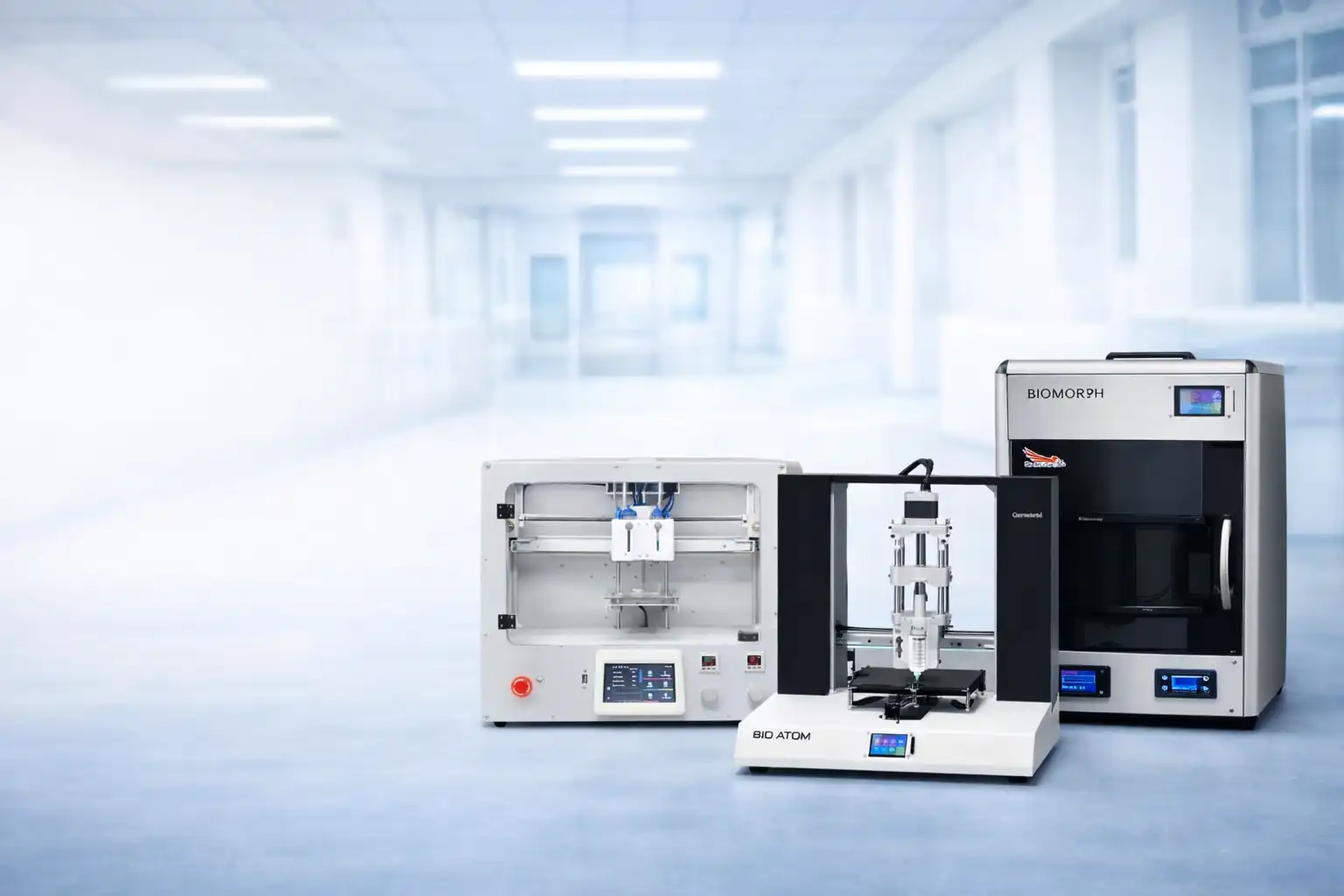
BIO PRINTER PLATFORMS
CAPABILITY
POTENTIAL
Complete control over design and manufacturing ensures the highest quality standards and seamless integration.
Extensive experience across bio, food, pellet, and hybrid extrusion systems for diverse industrial applications.
Modular systems tailored to meet specific research needs, from academic labs to advanced biotech R&D.
A strong focus on precision extrusion ensures consistent flow rates and high-resolution biological constructs.
Reliable systems with a track record of real-world deployment across leading research institutions.
Advanced bio 3D printing capabilities designed to support complex research workflows, enabling precision, flexibility, and repeatability across a wide range of biomaterials and experimental setups.
Simultaneous or sequential deposition of multiple bioinks.
Accurate control of flow rate, pressure, and deposition for delicate bioinks
Supports thermally sensitive hydrogels and bioinks with stable deposition conditions
Easy customization for different research requirements.
Enables development of both structural and soft constructs.
Consistent output for experimental validation.
Designed to minimize cell damage during extrusion of delicate bioinks
Compatible with UV, ionic, and thermal crosslinking protocols for post-print structure stabilisation.
01 — TISSUE ENG.
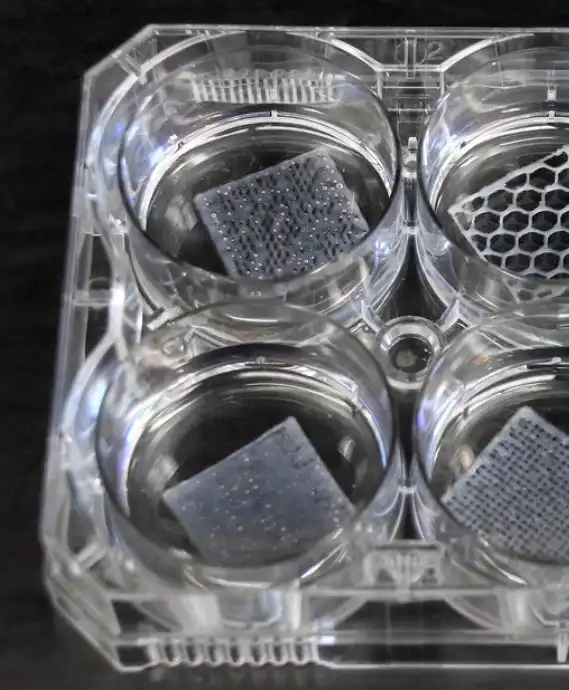
Enables fabrication of tissue engineering scaffolds using precise deposition of biomaterials and living cells for regenerative applications.
02 — TRANSPLANT RES.
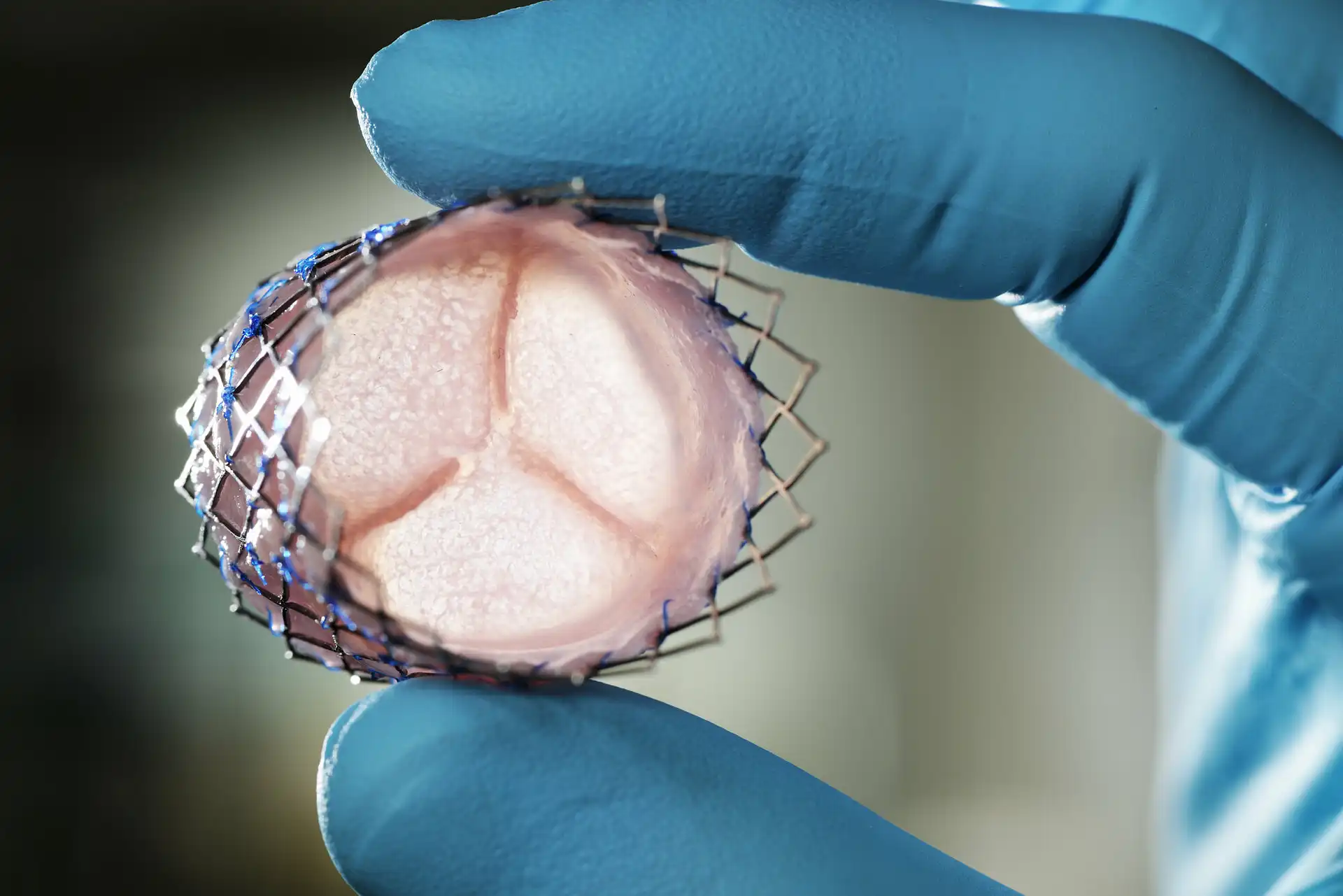
Develop bioprinted organ models for transplantation research, addressing donor shortages and enabling functional testing.
03 — REGEN. MED.
Supports regenerative medicine bioprinting for personalised therapies and advanced tissue reconstruction.
04 — ONCOLOGY
Bioprinted tumor models create accurate in-vitro environments for cancer studies.
05 — PHARMA
Provides drug testing tissue models for accurate drug efficacy and toxicity analysis, reducing reliance on animal testing.
06 — EDUCATION
Bio 3D printers for biomedical research labs and universities, enabling hands-on learning in tissue engineering and bioprinting.
👉 Note: Material compatibility depends on viscosity, crosslinking method, and experimental setup.
Bio Atom is a compact and accessible bio 3D printer designed for early-stage research, academic labs, and biomaterial experimentation with precise bioink deposition.
120 × 120 × 70 mm
Single Bio Extrusion
High-precision single-channel micro-dispensing
Standard Bioinks & Hydrogels
Single • Scaffold
Bio MORPH is an advanced syringe-based bio 3D printer designed for universities and mid-level research labs, offering precise electro-mechanical extrusion and enhanced control for complex bioprinting workflows.
135 × 100 × 40 mm
Single Bio Extruder (Syringe-based)
0.1 mm (X/Y axis), nozzle/viscosity-dependent
Advanced Motion Control
Single
Bio PRO is an advanced dual-extrusion bio 3D printer designed for complex bioprinting applications. It enables multi-material printing for creating sophisticated biological structures and research models.
130 × 100 × 75 mm
Pneumatic 3-head system
Up to 30 mm/s
Ultra-high precision bioprinting
Controlled extrusion & build platform
Dual Material
WORKFLOW
Hydrogels, polymers, or cell-laden materials are prepared
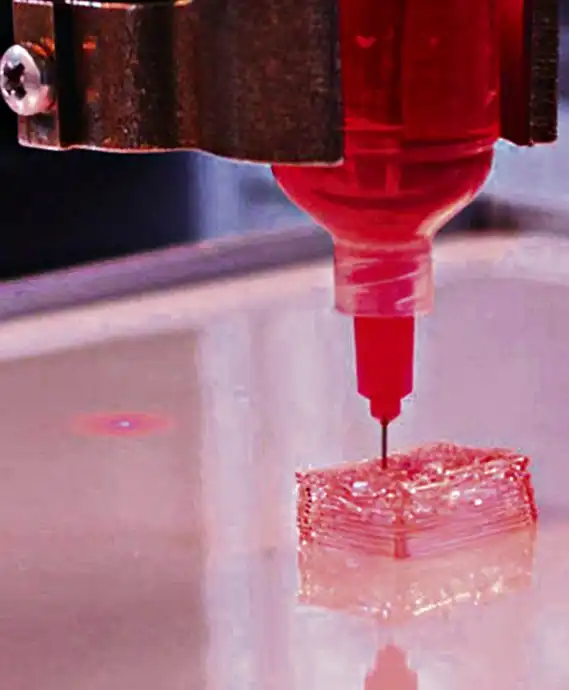
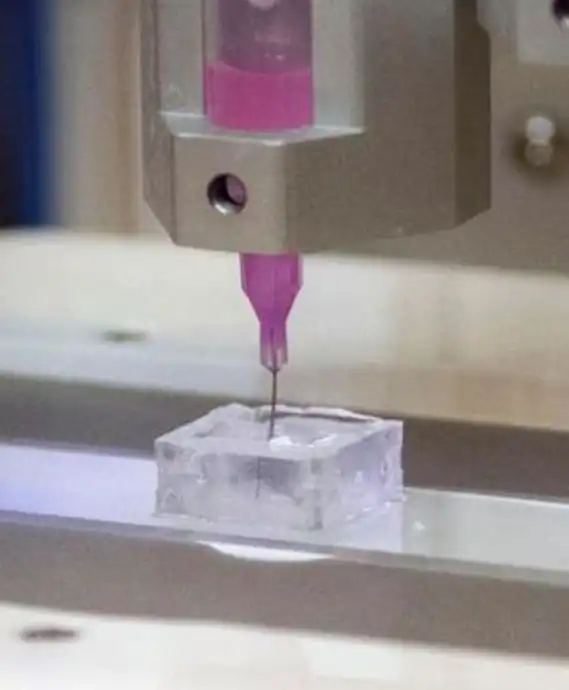
Material is deposited layer-by-layer using precision extrusion
Scaffolds or tissue-like structures are formed
Crosslinking, curing, or incubation depending on application
Bio 3D printing is the three-dimensional printing of materials (bioinks) to fabricate structured constructs for use in biological or medical applications. It enables the precise, layer-by-layer deposition of bioinks — comprising living cells, biomaterials, and bioactive molecules — using computer-aided design to create complex, functional tissue constructs that closely mimic native tissues.
Bio 3D printers can print a variety of materials including collagen, chitosan, gelatin, alginate, and various bioinks. Material viscosity plays a key role — thick materials extruded through small tips are more difficult to print compared to thinner materials with larger tips.
Bio 3D printing plays a vital role in regenerative medicine, disease modelling, and drug testing. It enables the fabrication of scaffolds for tissue regeneration, aiding in the repair or replacement of damaged tissues such as skin, bone, and cartilage. It also facilitates the creation of tumor models for studying cancer progression and provides a more physiologically relevant platform for drug testing, potentially reducing the need for animal testing.
Yes, it enables development of functional organ models, reducing dependency on donors.
The technology supports the development of personalised therapies by creating patient-specific tissue models, enhancing treatment effectiveness. Institutions also utilise bio 3D printers like the Bio ATOM for educational purposes and to advance research in biomedical fields, providing hands-on experience in tissue engineering and regenerative medicine.
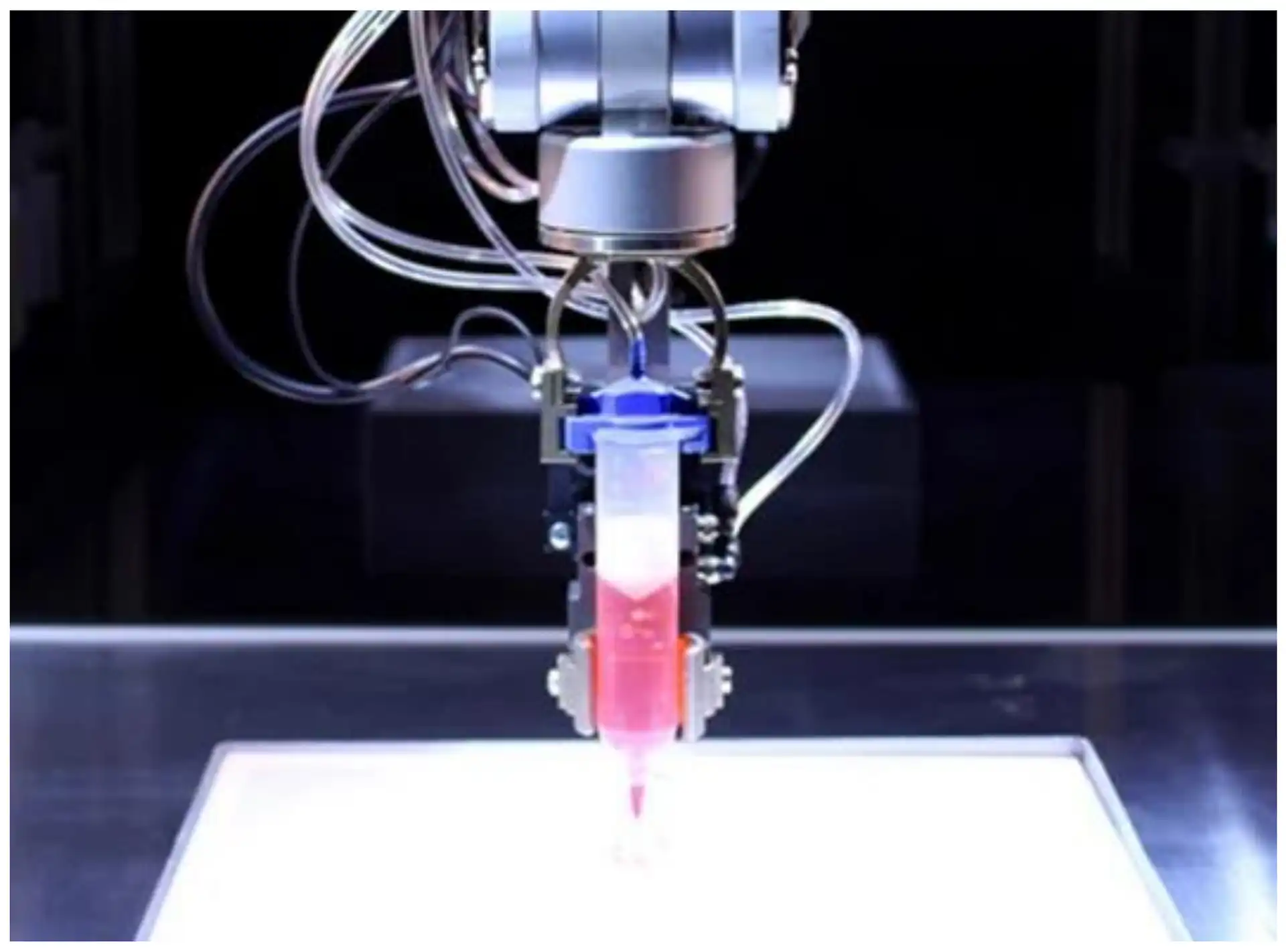
Different levels of bio 3D printers are available in the market, ranging from basic extrusion to advanced cell formation, and from single-head to multi-head tools. Garuda3D has developed a single-head (extrusion head) bio 3D printer that satisfies the basic needs of research organisations, equipped with a single extruder (Bio-Head) using a standard BD 10 mL syringe with interchangeable Luer-lock tips.